

Tackling Tick Season
May 13th 2026
Few things make people across North America recoil quite like discovering a tiny creature crawling on their skin—or worse, already attached. Encounters with ticks are enough to unsettle even the most outdoorsy among us. Each May, as parks, trails, and backyards burst back to life, Lyme Disease Awareness Month serves as an important reminder that prevention, detection, and quick action truly matter.
“While exact national counts for tick bites on dogs are difficult to track, researchers estimate that nearly one-third of all dogs (31%) may carry a tick at any given time.” – BBC News 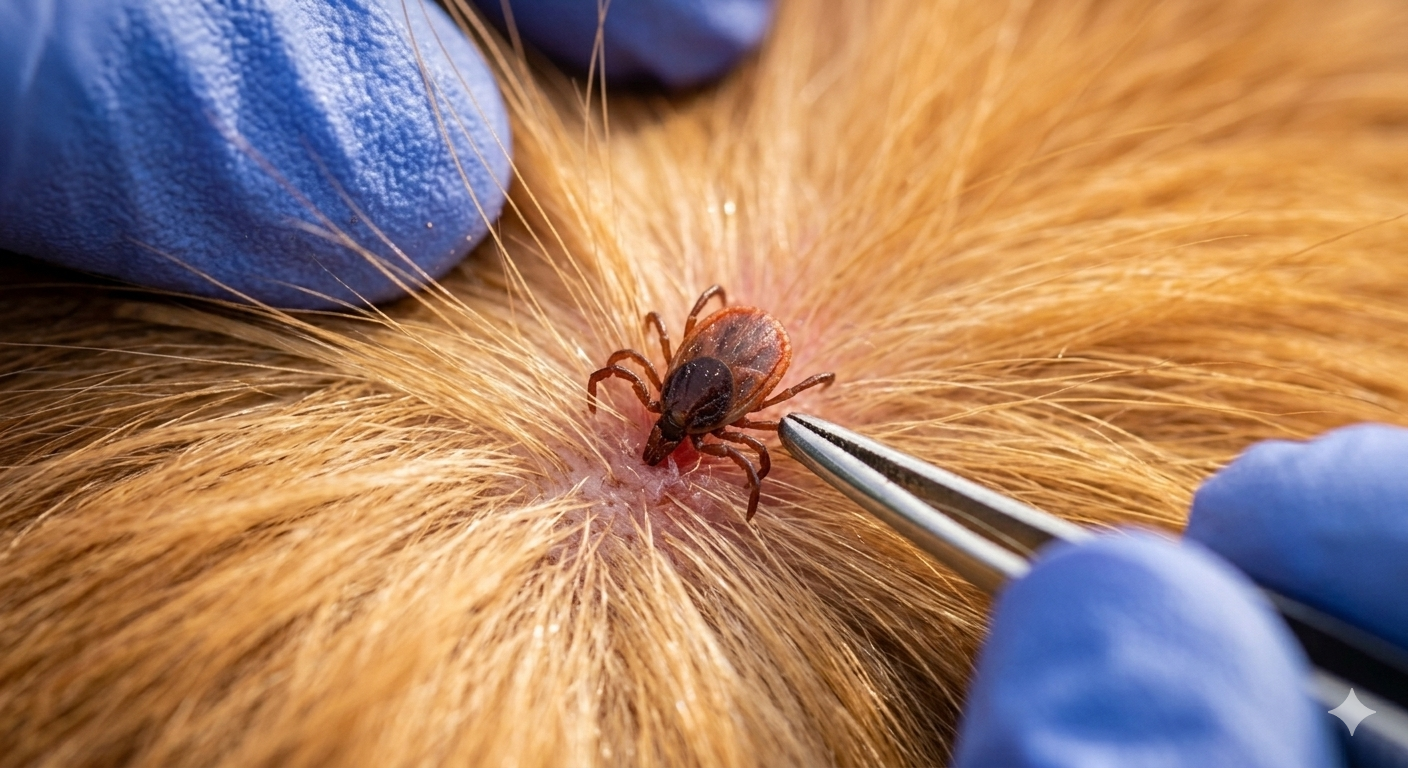
Despite what many believe, ticks aren’t insects at all. They’re arachnids, more closely related to spiders and mites. Their life cycle includes four stages: egg, larva, nymph, and adult. During the larval, nymph, and adult phases, each tick feeds only once. This entire cycle typically takes two years to complete, contributing to their resilience across much of the continent.
Female ticks are responsible for most bites and disease transmission. They require a blood meal to produce eggs, while males feed little, if at all.
Lyme disease is caused by the bacterium Borrelia burgdorferi and is transmitted through the bite of an infected black-legged tick, also known as the deer tick. Many regions in North America, especially the Northeast, Upper Midwest, and parts of Canada—consistently report high Lyme disease rates due to expansive forests, abundant wildlife, and a warming climate that boosts tick survival.
But deer ticks aren’t the only species people and pets encounter. Throughout North America, several tick species are common in fields, forests, and yards. Among those that regularly bite humans and animals are the black-legged tick, the American dog tick, the lone star tick (which continues to expand its range north and west), and the brown dog tick, which can thrive indoors in kennels and homes.
These ticks can transmit more than just Lyme disease. Depending on the species and region, they may also spread anaplasmosis, babesiosis, ehrlichiosis, and Rocky Mountain spotted fever. The lone star tick has additionally been linked to alpha-gal syndrome, a delayed allergic reaction to red meat.
 Ticks across most of North America become active whenever temperatures rise above freezing, and that window is expanding. Even in colder climates, they survive winter by sheltering in leaf litter, where snow provides insulation. By late spring, tick season is well underway and typically extends into autumn.
Misconceptions about ticks are widespread, but several facts are helpful to keep in mind. Chickens, guineafowl, and opossums do not meaningfully reduce tick populations. Ticks don’t fly, jump, or fall from trees. Instead, they climb low vegetation and wait patiently for a host to brush past whether that’s a person, pet, or wildlife.
Preventing bites remains the most effective defense. EPA-approved insect repellents can help mask your scent, making it harder for ticks to detect you. Wearing light-colored clothing makes ticks easier to spot. After time spent outdoors ,especially in wooded or brushy areas, a thorough tick check is essential. Showering within two hours of potential exposure can wash away ticks that haven’t attached yet. Any that have attached should be removed promptly with fine-tipped tweezers. And if ticks may be on your clothing, placing dry clothes in a hot dryer for ten minutes will kill them, while washing alone will not.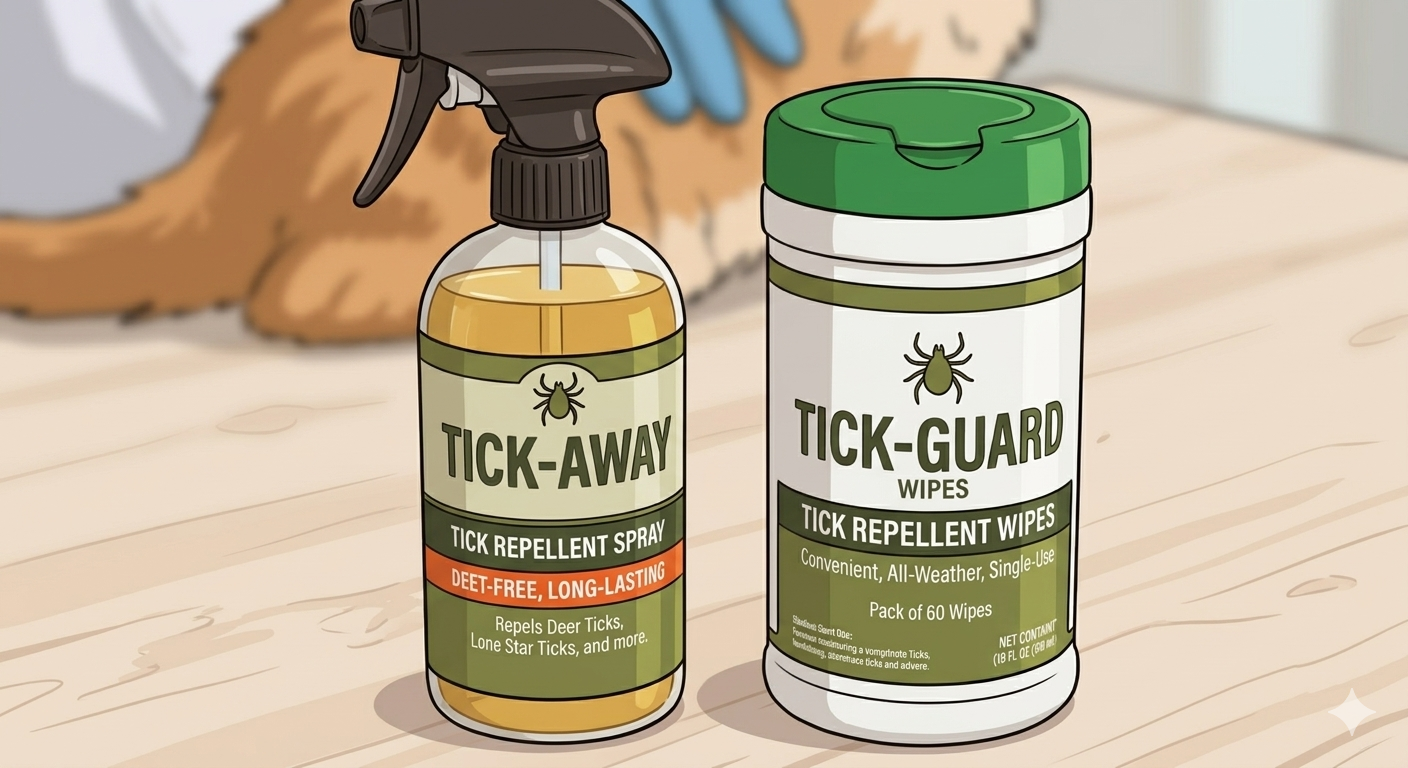
Wherever you live in North America, educational resources, tick identification services, and testing programs are widely available, and it’s always important to seek professional medical advice following a tick bite.